Lay a stone
Lay one stone for 100,000 $BOND. Half of it is burned on the spot, mixed into the mortar.
Lay a stone. It gets settled in real tokenized stock: Apple, Nvidia, Tesla, straight into a vault only it owns. Climb the wall and it earns more.
 AAPL
AAPL NVDA
NVDA TSLAAAPL.bondinNVDA.bondinTSLA.bondpending
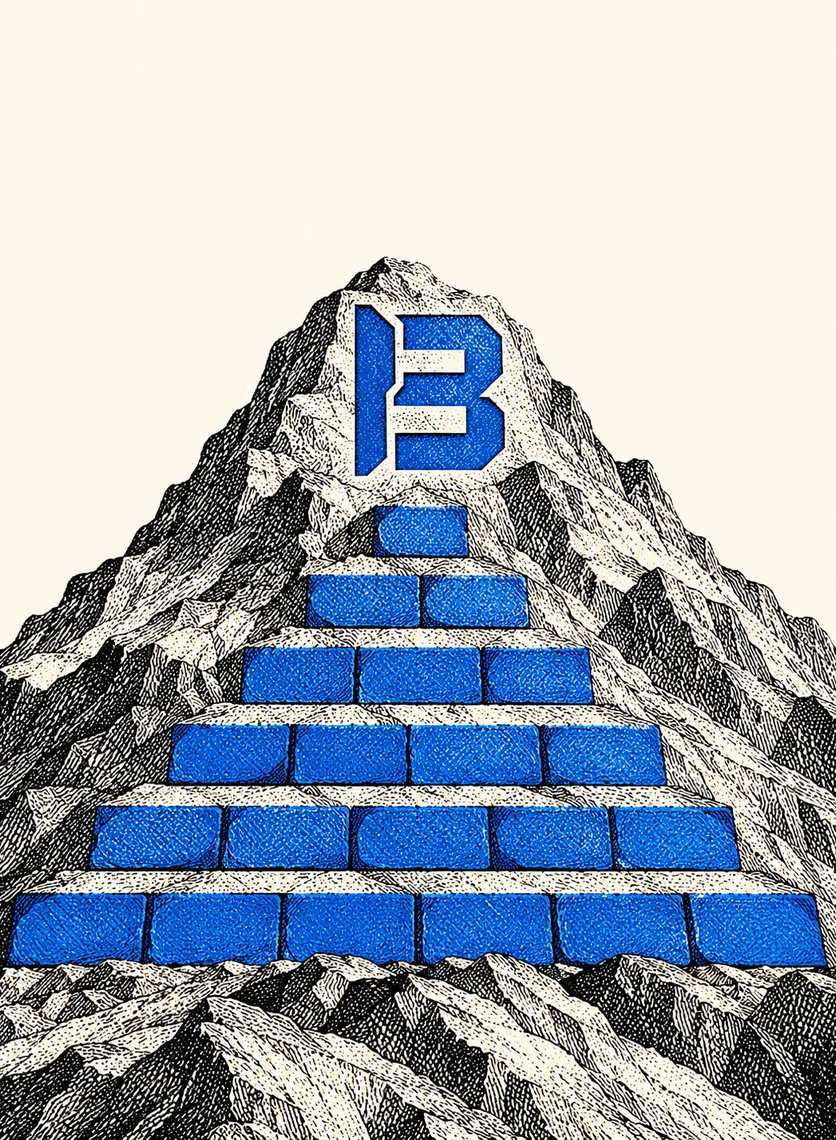
A bond course is the row of stones laid across a wall to tie it together. Here, every stone has its own vault.
Lay one stone for 100,000 $BOND. Half of it is burned on the spot, mixed into the mortar.
Every stone receives tokenized stock into a vault only it owns. Rubble included.
Buy more tokens to climb. Every day the wall raises you one course on its own. Your course weight takes a cut of fees at Settlement.
iLaying a stone is the only entry. There is no separate button.
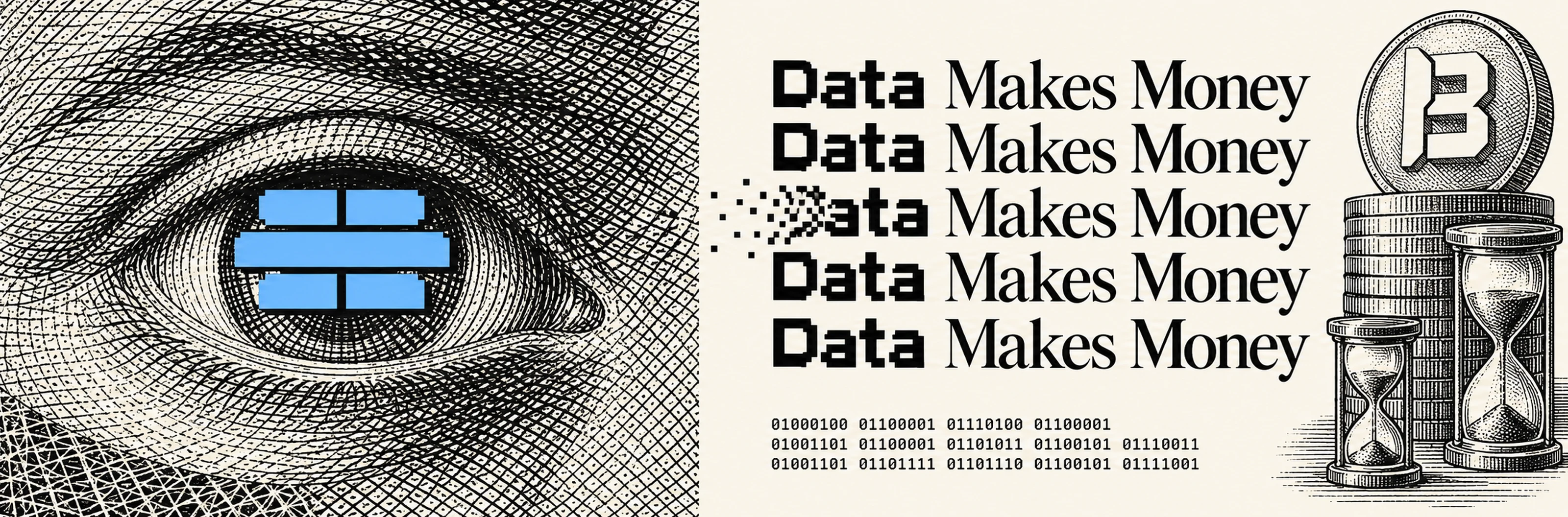
Serif is money you can hold. Pixel is data you can’t. Bondcourse is the course where the two are laid together.

Many a little makes a mickle.
Every Settlement is small. Every stone gets a share. Over time, the vault fills up.Move your cursor. Every pixel you leave is a bit of data. Hover a word and it switches sides: money turns to data, data turns to money. That’s the whole protocol.
Each course is smaller than the one below it. Buy more to climb. Every day the wall lifts you one course. Fee weight at Settlement is your cut. The four ends of every course are corners: +25% weight.
Geometry is real. Occupancy is not invented. When seats are published onchain, this wall reads the chain.
Connect a wallet first. Buy, sell, and swap raise you by volume. Hold claims the daily course raise. Height = max(tokens bought, daily raises). Settlement pays a fee cut by course weight. Stone price 100,000 $BOND.
| Course | Bought | Tenure | Seats | Fee weight | Unlocks |
|---|
Buy more tokens to climb faster. Every day each connected stone rises one course on its own. Weight at Settlement is your fee share of the pot, plus 25% on a corner stone. A new weight counts after 24 hours. Transfer resets bought volume and daily level to Rubble.
USDG in. STOCK.bond out. Weekly rates on every name. Buy, sell, and swap against the basket. Connect a wallet to trade. Eight listings at launch, each 1:1 in the reserve.
Settlement redistributes fees the protocol collects. Weight sets your share of the pot. It does not add to it.
Buy, sell, and swap fees are the only money in the pot. Nothing else is added.
Settlement moves those fees into tokenized names sitting in a stone vault.
Course weight sets your share of that pot. It does not make the pot larger.
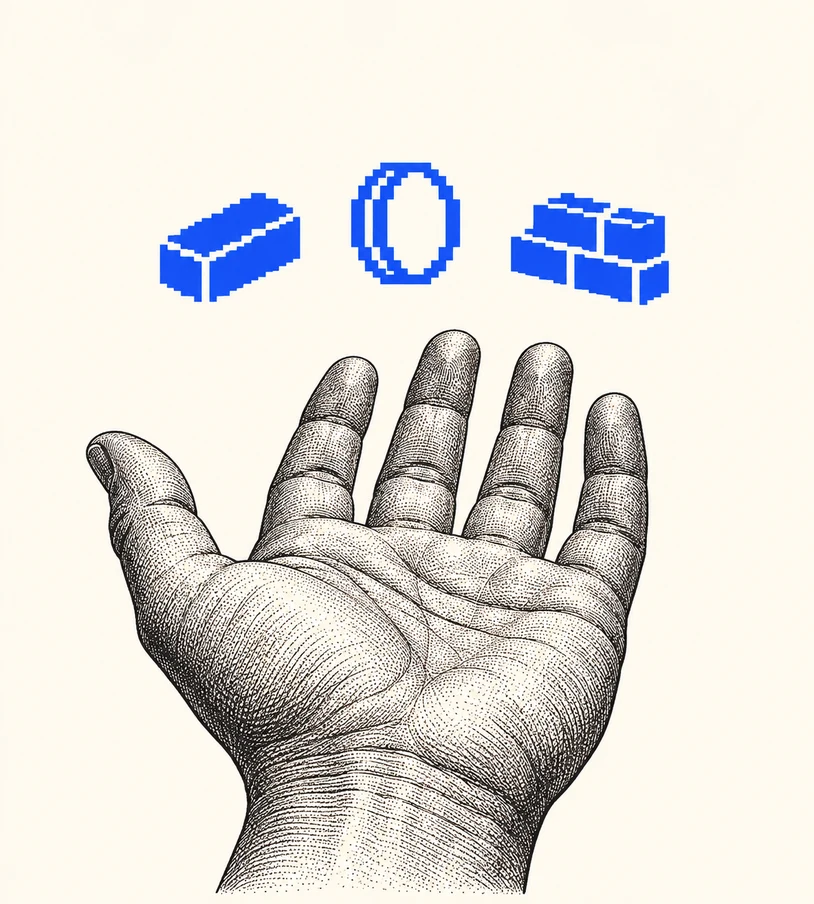
 The pot is fees
Fees become stock. Weight becomes a share.
Seats only slice the pot.
Connect a wallet on Robinhood Chain. Buy STOCK.bond with USDG when the hub is live. Holdings stay blank until then. We do not invent numbers.
Open appSix things that can cost you. We’d rather you read them here than learn them on-chain.
Payouts are protocol fees redistributed. Less trading means a smaller pot. Course weight changes your share, not the size.
There is no buyback. A stone that changes hands arrives as Rubble with zero points. Secondary markets are the only exit.
Once a course is full, new stones wait for an open seat. Buy volume and daily raises still move your height; fee share follows your course weight.
Protocol contracts include owner permissions. They will be listed in full, with addresses, before launch.
On-chain stock pools are shallow. Settlement may be paid from pre-funded inventory at oracle price rather than swaps.
Tokenized stock is restricted in some regions, including for US residents. Payouts are not dividends or equity.
Every coin paid into vaults is traceable to protocol fees on-chain. No new-stone money is paid out to earlier stones. Nothing here is financial advice.

Orders go through the hub. Buying volume raises your stone. Every day the wall lifts you one course. Connect a wallet to trade, lay a stone for 100,000 $BOND, or swap Robinhood tokens for stones.
Connect to read balances. Numbers stay blank until the hub is live.
25 bps. Cancel after 30 minutes if a fill has not landed.
Holdings
STOCK.bond / USDG pools. 30 bps stays with liquidity.
Max LTV 35%. Liquidation 50%. Market totals pending.
Block height from RPC. Reserves appear when the hub is published.
Bondcourse is a stock hub on Robinhood Chain. You pay USDG. The hub logs a buy. The operator purchases the tokenized stock. The vault holds it 1:1. STOCK.bond lands in your wallet.
requestBuy sends USDG and a minimum share out. Fee 0.25%. If the fill would be worse than your minimum, it does not happen.
requestSell escrows STOCK.bond. USDG comes back on fill. After 30 minutes you can cancel and recover what you put in. The sell path has no pause switch.
Each ticker’s vault reserve and token supply are public state. Until the hub address is published, those columns stay pending.
Pools pair every STOCK.bond with USDG. Instant, no operator. Fee 0.30% stays with liquidity.
Supply USDG. Post STOCK.bond as collateral and borrow USDG. Max LTV 35%. Liquidation at 50%.
$BOND is the protocol token on Robinhood Chain. The contract address in the chip on every page is the only official one.
Buy more tokens to climb. Every day the wall raises every stone one course. Your height is the better of buy volume and daily raises. Stones cost 100,000 $BOND, or swap Robinhood stock tokens for a stone. Weight at Settlement is your fee share, plus 25% on a corner stone. Connect a wallet before any action. Transfer resets to Rubble.
Tokenized stock still moves with the market. Custody, oracle, and smart-contract risk sit on the same wall. Only put in what you can afford to lose.
Bondcourse runs on Robinhood Chain. We'll ask your wallet to switch networks after you connect.
On mobile, open this page inside the Robinhood Wallet app browser to connect. By connecting you accept the risk disclosure.
 AMZN
AMZN